


Master the Art of Gardening Sustainability Australia
- Isis

- 4 days ago
- 5 min read
Gardening is more than a hobby; it is a dance with nature, a gentle conversation with the earth. In Australia, where the sun paints the landscape with golden hues and the winds carry ancient secrets, mastering sustainable gardening is both an art and a joyful responsibility. Together, let us explore how to nurture our gardens with care, respect, and a deep understanding of the land we cherish.
Embracing Gardening Sustainability Australia: A Path to Harmony
Gardening sustainability Australia is not just a phrase; it is a commitment to living in harmony with the environment. It means choosing practices that protect our precious resources, conserve water, and support biodiversity. Imagine your garden as a living tapestry, woven with native plants, rich soil, and the hum of pollinators. Each choice we make echoes through the seasons, shaping a future where nature and nurture coexist.
To begin, consider the soil, the heart of your garden. Healthy soil is alive, teeming with microorganisms that break down organic matter and feed plants naturally. Composting kitchen scraps and garden waste returns nutrients to the earth, reducing the need for chemical fertilizers. Mulching with organic materials like bark or straw helps retain moisture and suppress weeds, creating a cozy blanket for your plants.
Water, too, is a treasure in Australia’s often dry climate. Installing rainwater tanks and using drip irrigation systems can make every drop count. Grouping plants with similar water needs together ensures efficient watering, while drought-tolerant native species thrive with less.

Native plants flourish in a mulched garden bed, conserving moisture and enriching the soil.
Designing Your Garden with Nature’s Wisdom
When we design our gardens with nature’s wisdom, we invite resilience and beauty to flourish. Start by observing your space the sunlight patterns, wind directions, and soil types. This knowledge guides the placement of plants, ensuring they thrive without excessive intervention.
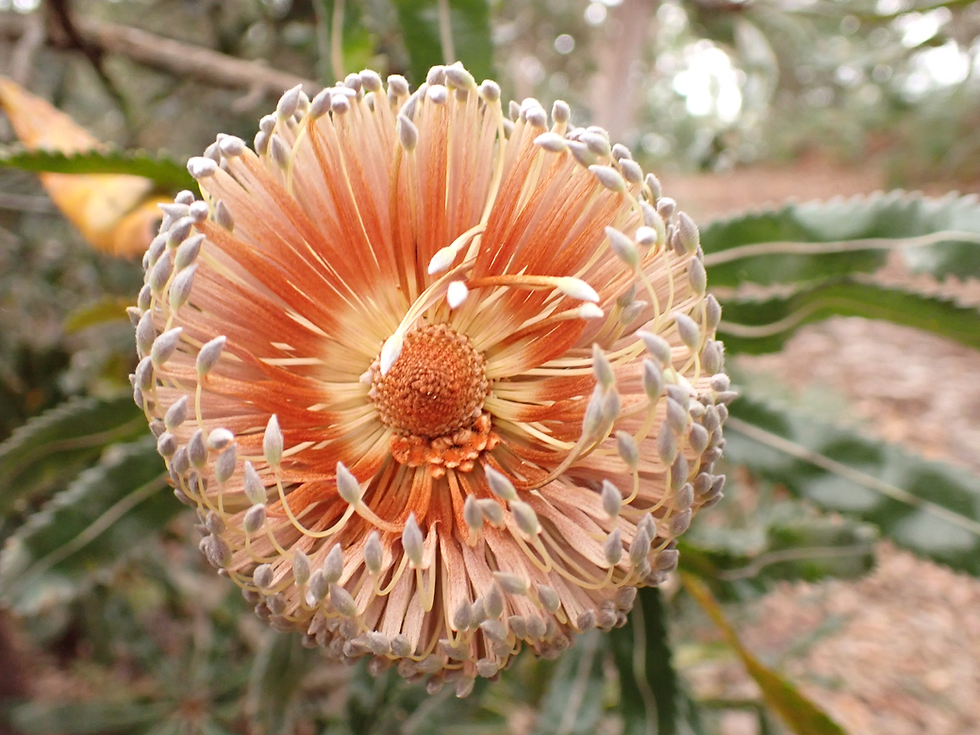
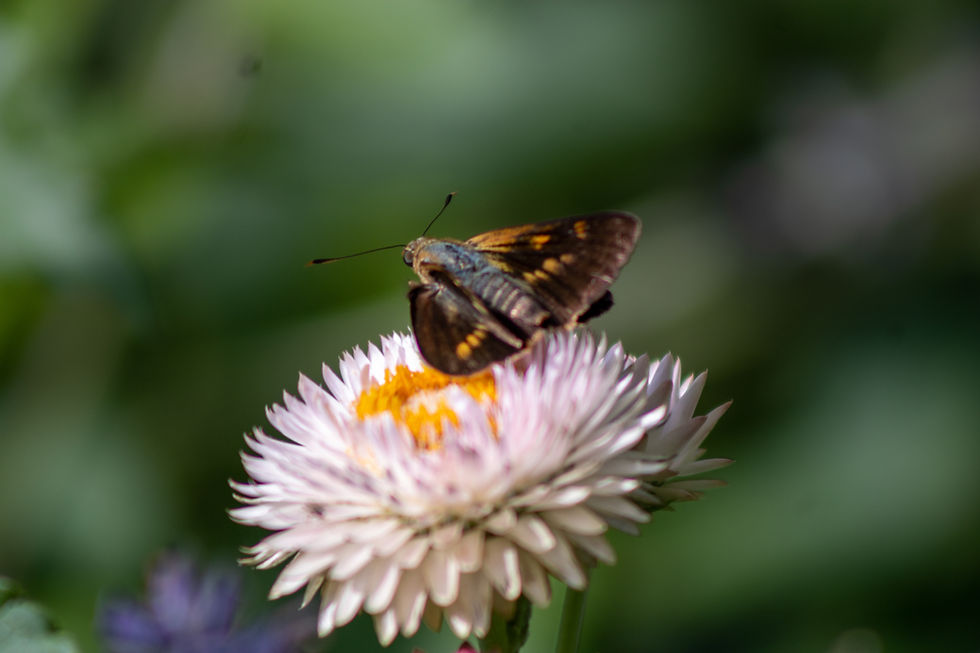
Native plants are the stars of sustainable gardens in Australia. They are adapted to local conditions, requiring less water and care while providing habitat for native wildlife. Think of the vibrant banksias, graceful eucalyptus, or the delicate wattles. These plants not only beautify but also support bees, birds, and butterflies, weaving your garden into the larger ecosystem.
Incorporate layers in your garden design tall trees, mid-height shrubs, and ground covers. This vertical diversity mimics natural forests and creates microclimates that protect plants from harsh weather. Companion planting, where certain plants grow well together, can naturally deter pests and improve soil health.
Paths made from permeable materials like gravel or wood chips allow rainwater to seep into the ground, replenishing aquifers rather than running off into drains. Every element, from the choice of plants to the materials used, contributes to a garden that breathes with the land.
What are the sustainable agriculture practices in Australia?
Sustainable agriculture practices in Australia offer valuable lessons for gardeners seeking to align with the earth’s rhythms. These practices emphasize soil health, water conservation, and biodiversity, principles that translate beautifully into home gardening.
One key practice is crop rotation, which prevents soil depletion and reduces pest buildup. While this is more common in larger-scale farming, gardeners can mimic it by rotating vegetable beds or alternating plant families each season.
Integrated pest management (IPM) is another cornerstone. Instead of relying on harsh chemicals, IPM encourages natural predators like ladybugs and lacewings to keep pests in check. Planting flowering herbs such as dill and fennel attracts these beneficial insects, creating a balanced garden ecosystem.
Cover cropping, where certain plants are grown to protect and enrich the soil, is also vital. Legumes like clover fix nitrogen in the soil, reducing the need for synthetic fertilizers. These green manures can be turned into the soil to boost fertility naturally.
Water-wise irrigation techniques, such as using soil moisture sensors and scheduling watering during cooler parts of the day, help conserve water. Farmers also use contour plowing and terracing to reduce erosion on sloped land, ideas that gardeners can adapt for hilly backyards.
By embracing these sustainable agriculture practices, we not only grow healthier plants but also honor the land’s resilience and generosity.
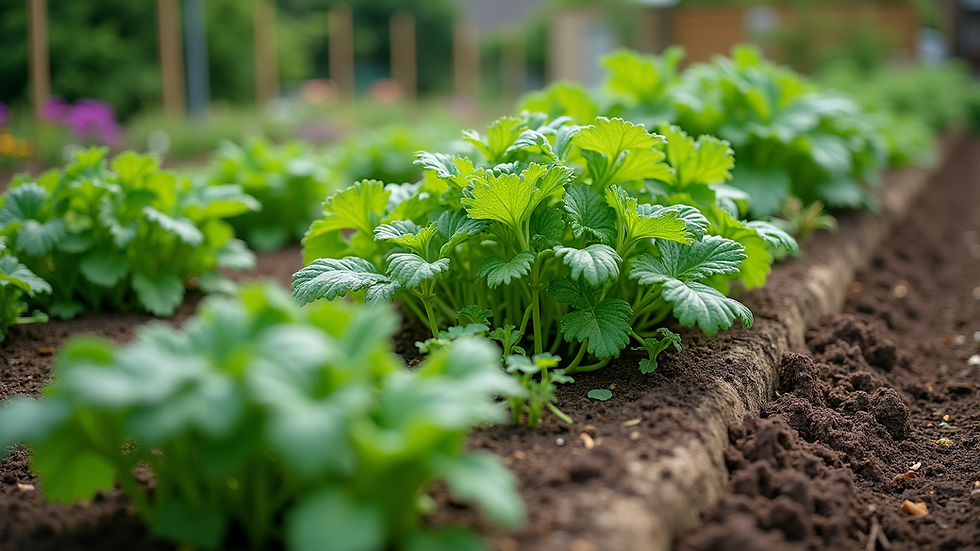
Vegetable garden with companion planting and mulching, promoting soil health and pest control.
Practical Tips to Cultivate Your Sustainable Garden
Let’s get our hands into the earth with some practical, actionable tips that bring sustainable gardening to life:
Choose Local and Native Plants
Native plants are champions of sustainability. Visit local nurseries or community gardens to discover species that thrive in your region.
Build Your Own Compost
Start a compost bin or pile. Add vegetable scraps, coffee grounds, leaves, and grass clippings. Turn it regularly to speed decomposition.
Harvest Rainwater
Install rainwater tanks or barrels to collect water from your roof. Use this water for irrigation, reducing reliance on mains supply.
Practice Mulching
Apply a thick layer of mulch around plants to retain moisture, suppress weeds, and improve soil structure.
Create Habitat Zones
Include birdbaths, insect hotels, and native flowering plants to attract wildlife and encourage pollination.
Use Organic Pest Control
Spray homemade solutions like garlic or neem oil, and encourage beneficial insects to keep pests at bay.
Rotate Crops and Plant Diversity
Change the location of vegetable families each season and mix plant types to reduce disease and pest problems.
Limit Lawn Areas
Lawns often require heavy watering and mowing. Replace some lawn space with native ground covers or garden beds.
Each small step is a seed planted in the garden of sustainability. Together, these actions create a thriving, resilient space that honors the Australian landscape.
The Joy of Growing with Purpose and Patience
Gardening sustainably is a journey of patience and purpose. It invites us to slow down, observe, and listen. The garden becomes a mirror reflecting our care and intention. Have you noticed how a seedling unfurls its first leaf with quiet determination? Or how the morning dew clings to petals like tiny jewels?
There is a profound joy in watching life grow, knowing that every choice nurtures not just plants but the earth itself. It is a reminder that we are part of a larger story - one of renewal, connection, and hope.
As we tend our gardens, we also tend our spirits. The act of planting, watering, and harvesting becomes a meditation, a celebration of life’s cycles. And in this shared space, we find community - neighbors exchanging seeds, stories, and smiles.
So, let us embrace the art of sustainable gardening with open hearts and eager hands. Let us cultivate not only plants but a future where nature and humanity flourish side by side.
May your garden be a sanctuary of growth, a testament to care, and a beacon of sustainability. Together, we can nurture the earth, one seed at a time.
For more inspiration and guidance on sustainable gardening, explore sustainable gardening australia and join a community dedicated to environmental stewardship and circular systems.
Happy flowing💚💦🍄



Comments