


Native Pollinators and Seed Dispersal How Birds Insects and Indigenous Knowledge Sustain Biodiversity


A flower is never just a flower. In a healthy ecosystem, it is a meeting place, a food source, a signal, and the start of the next generation of plants.
Across Australia, native pollinators keep bushland, wetlands, grasslands, forests, and home gardens renewing themselves. Honeyeaters push their faces into blossoms. Native bees shake pollen loose with their bodies. Beetles, moths, flies, and wasps visit flowers that many people overlook. Beneath the soil, fungi help plants gather nutrients, recover after stress, and form the strong roots needed for flowering and seed production.
Pollination is only part of the story. Once seeds form, wind, water, birds, mammals, ants, and gravity all help move them into new places. Seasonal shifts guide the timing of these events. Indigenous knowledge, built through long observation and care for Country, shows how connected flowering, fruiting, weather, fire, water, and animal movement really are.
When people understand these relationships, gardens and neighbourhoods can become more than decorative spaces. They can become living habitat.

Native birds and insects keep flowering plants connected
Pollination happens when pollen moves from the male part of a flower to the female part, allowing seeds or fruit to develop. Some plants can self-pollinate, but many depend on movement between flowers. That movement often comes from animals seeking nectar, pollen, oils, warmth, shelter, or scent.
In Australia, many native plants have evolved alongside native pollinators. Their flower shapes, colours, scents, and flowering times often match the needs and bodies of local animals.

Bird-pollinated plants tend to offer nectar-rich flowers. Grevilleas, Banksias, Eucalypts, Correas, and Callistemons often attract honeyeaters, wattlebirds, lorikeets, spinebills, and other nectar-feeding birds. As birds feed, pollen dusts their heads and feathers. When they move to another flower, they carry that pollen with them.
Bird pollination can cover more distance than the work of many small insects. A honeyeater may visit many shrubs or trees in one feeding route. That helps plants exchange genetic material across a wider area, which supports stronger plant populations.
Insects do a different kind of work. They are often smaller, more numerous, and highly specialised.

Native bees, including blue-banded bees, teddy bear bees, reed bees, resin bees, and masked bees, pollinate many wildflowers, herbs, shrubs, and food plants. Some native bees use a method called buzz pollination. They vibrate their flight muscles to shake pollen out of certain flowers. Tomatoes are a familiar example in gardens, but many native plants also benefit from this behaviour.

Flies deserve more respect than they get. Hoverflies, march flies, and other native flies visit flowers for nectar and pollen. Some are active in cooler or cloudier conditions when bees may be less active. Beetles, among the oldest pollinating insects, often visit open flowers with easy access to pollen. Moths work dusk and night shifts, carrying pollen between pale or scented flowers after many daytime insects have stopped.
Pollinator biodiversity matters because no single animal can do every job. A garden with only one type of flower may feed one group for a short period. A diverse habitat feeds many pollinators across the year.

Fungi support pollination from below the soil
Fungi are not usually pollinators in the direct way that birds and insects are. They do not commonly carry pollen from flower to flower. Their role is quieter, but it is still vital.
Many plants form relationships with fungi in the soil. These fungi connect with plant roots and help them access water and nutrients, especially phosphorus. In return, plants share sugars made through photosynthesis. This relationship, known as a mycorrhizal association, can improve plant health, growth, flowering, and seed production.
Healthy soil fungi can make a real difference in harsh seasons. During dry spells or after disturbance, plants with strong fungal partnerships may have better access to scarce resources. That can affect whether they flower well, set seed, or recover in time for the next season.
Fungi also help break down fallen leaves, branches, bark, and dead roots. This decomposition returns nutrients to the soil. A neat garden stripped of leaf litter may look tidy, but it can remove food for fungi and shelter for insects. A living soil needs organic matter.

Some orchids have especially close relationships with fungi. Many orchid seeds are tiny and lack the stored energy that larger seeds carry. They depend on specific fungi to germinate and grow. Without the right fungal partners, some orchid populations cannot renew. In some cases, orchids also have highly specialised relationships with insect pollinators. That means the survival of one plant species may depend on a fine balance between fungi, insects, soil, and season.
Fungi remind us that pollination does not begin at the flower. It begins in the conditions that allow a plant to grow strong enough to flower at all.

Wind and waterways carry seeds into new ground
Once pollination succeeds, plants still face another challenge. Seeds need to reach places where they can grow. If every seed fell directly beneath the parent plant, seedlings would compete for the same light, water, and nutrients. They could also be more exposed to disease or grazing in one crowded patch.
Wind helps many native species spread seed. Some seeds are light enough to float on air currents. Others have wings, hairs, or papery edges that slow their fall and carry them away from the parent plant.

Eucalypts release many small seeds from woody capsules. Casuarinas and allocasuarinas produce winged seeds that can travel on breezes. Some daisies and grassland plants use fluffy structures that catch the wind. After fire or dry heat, certain woody fruits open and release seeds when conditions are right for germination.
This movement may look random, but it helps plants find gaps. A seed might land in open soil after a branch falls, after floodwater shifts silt, or after fire clears dense undergrowth.

Waterways move seeds in a different way. Along creeks, rivers, billabongs, wetlands, and coastal edges, water can carry seeds over long distances. Some seeds float because they have buoyant tissues. Others travel inside fruit or plant fragments. Flood pulses can spread seed across floodplains, where silt and moisture create good germination conditions.

Riparian plants, such as paperbarks, river bottlebrushes, sedges, rushes, and many wetland species, often rely on water movement. Mangroves offer a clear coastal example. Their propagules can float with tides and currents before settling in mud. This allows mangrove communities to shift and renew along suitable shorelines.
Wind and water do not replace animal pollinators. They complete another stage of the life cycle. A plant may need insects or birds to set seed, then wind or water to carry that seed into the future.
Seasons set the rhythm for pollination and seed dispersal

Pollination is seasonal, but not in a simple four-season way. Across Australia, timing varies widely between regions. The flowering cues for a plant in south-west Western Australia may differ from those in the Top End, Tasmania, the desert, or the east coast.
Temperature, rainfall, soil moisture, day length, fire history, and local weather all influence when plants flower and fruit. Pollinators respond too. Some insects become active after rain. Some birds follow flowering events across large areas. Moths and beetles may peak when certain plants bloom or when nights become warm enough for flight.
A garden that flowers for only a few weeks can create a feast followed by hunger. A habitat that includes plants flowering in different seasons provides steadier support.
Useful planting choices include:
Early-flowering species that feed insects and birds after cooler months or dry periods.
Summer and autumn nectar plants that support birds, butterflies, bees, and moths during heat and breeding seasons.
Seed-bearing grasses and shrubs that provide food and cover after flowering.
Local groundcovers and herbs that offer small flowers for small insects.
Dense shrubs and old stems that create nesting and resting places.

Seasonal change also affects seed dispersal. Dry winds may carry seed during late summer. Floodwater may spread seed after heavy rain. Fire can trigger seed release in some species, while other plants resprout and flower later. These processes are part of ecological timing, not isolated events.
Climate change is disrupting many of these signals. When flowering times shift, pollinators may not always arrive at the right moment. If heatwaves damage flowers or drought reduces nectar, animals lose food and plants lose pollination chances. This makes connected habitat even more important. Pollinators need safe places to move, feed, nest, and recover.

Indigenous knowledge shows how relationships shape Country
Indigenous knowledge systems hold detailed understanding of plant and animal cycles. This knowledge comes from long connection to Country, careful observation, cultural practice, language, story, and responsibility. It is not a general nature guide that can be copied from one place to another. It is local, living, and held by the people of that Country.
Many Aboriginal and Torres Strait Islander seasonal calendars describe far more than summer, autumn, winter, and spring. They may recognise changes in flowering, insect activity, bird movement, fish behaviour, rainfall, wind, tides, and fire conditions. These signs help indicate when foods are ready, when animals are breeding, when burning may be appropriate, and when places need care or rest.
For pollination, this way of seeing is especially valuable. A flowering tree is not just a tree in bloom. It may signal nectar for birds, insects for other animals, fruit to come, fish movement, a change in weather, or the right time for a cultural practice. These linked observations reveal relationships that standard calendar dates can miss.
Cultural burning, where practised under the guidance of Traditional Owners, can support renewal in some ecosystems. Low-intensity fire applied at the right time can reduce fuel, protect old trees, encourage certain plants to flower or germinate, and create a mix of habitats. This is very different from unmanaged fire or one-size-fits-all burning.
Respect matters. Learning from Indigenous knowledge should involve listening to Traditional Owners, acknowledging Country, supporting Indigenous-led land care, and avoiding the extraction of knowledge without permission. For gardeners and landholders, even a simple shift helps: look for seasonal signs, learn local plant names where shared publicly, and treat habitat care as a relationship rather than a weekend task.
How to create habitat for native pollinators
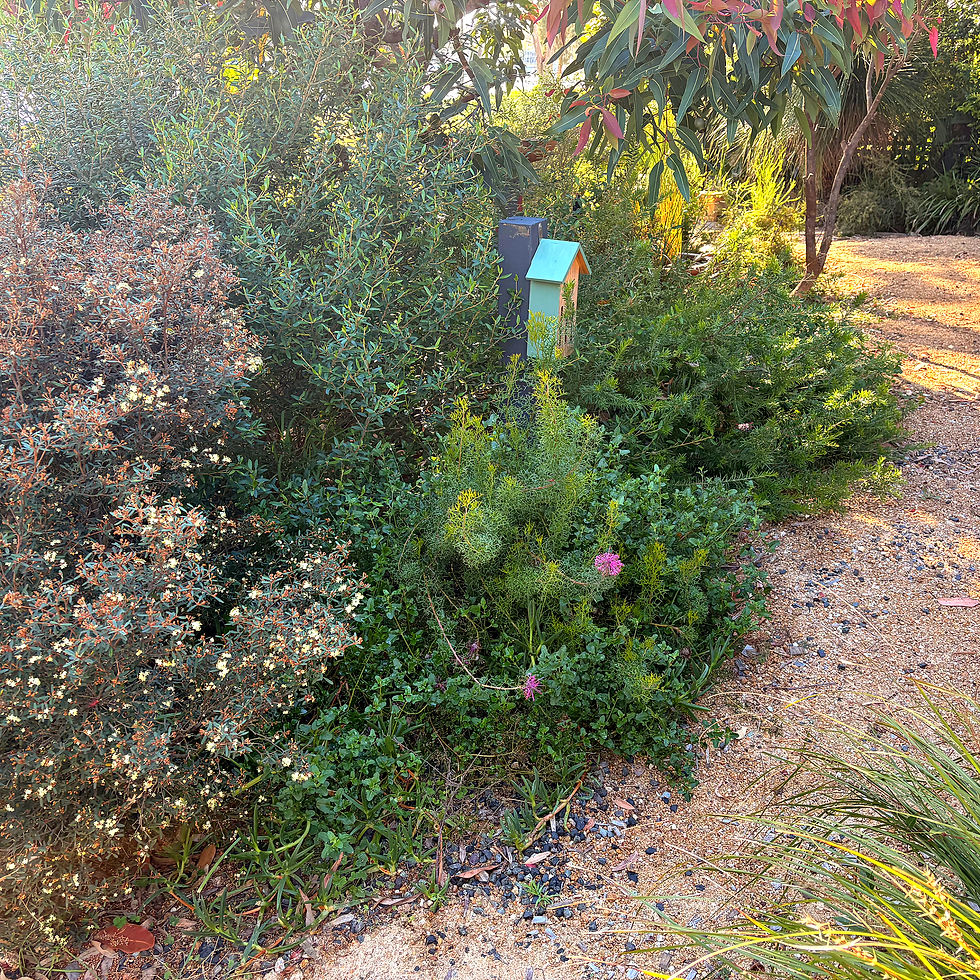
Supporting pollinators does not require a large property. A balcony, verge, courtyard, school garden, farm shelterbelt, or backyard can offer food and shelter when designed with care.
Start with local native plants where possible. They are more likely to match the needs of local insects, birds, soil life, and seasons. Nurseries that specialise in indigenous plants can often suggest species suited to local rainfall, soil, and light.
Aim for layers. Trees provide canopy flowers, hollows over time, shade, and perches. Shrubs offer nectar, cover, and nesting safety. Grasses and groundcovers support small insects, seed-eating birds, and soil stability. Leaf litter feeds fungi and shelters beetles, native bees, spiders, and other small animals.
A pollinator-friendly habitat includes:
Flowers of different shapes and sizes, so both small insects and larger birds can feed.
Plants that flower across the year, not all at once.
Shallow water sources with stones or sticks for safe landing.
Bare patches of soil for ground-nesting native bees.
Hollow stems, fallen branches, and leaf litter for shelter.
Fewer pesticides, especially broad-spectrum insect sprays.
Night-friendly lighting, since bright outdoor lights can disrupt moths and other nocturnal insects.
Leave some mess. A spotless garden often lacks the cracks, stems, bark, seed heads, and litter that living creatures use. Dead wood can shelter insects. Seed heads can feed birds. Fallen leaves can become fungal food.
If space is tight, plant a few high-value species in pots. A flowering native mint bush, correas, small grevilleas, native daisies, or local grasses can still invite life. On larger blocks, link planting areas so birds and insects can move safely between them.
The goal is not to control nature. The goal is to participate with care.

A living cycle worth protecting
Pollination connects flower to seed. Seed dispersal connects one generation to the next. Birds, insects, fungi, wind, waterways, seasons, and cultural knowledge all take part in that cycle.
When one part weakens, the effects spread. Fewer insects can mean fewer seeds. Poor soil can mean fewer flowers. Lost habitat can mean birds travel farther for food. Changed seasons can break timing between plants and pollinators.
The good news is that practical care can help. Plant local natives. Keep soil alive. Welcome insects. Protect old trees. Reduce chemicals. Watch the seasons. Learn from Indigenous-led knowledge and land care where it is shared. Let gardens become places of feeding, nesting, shelter, decay, renewal, and return.
A conscious participant in nature does not need to do everything at once. Start with one patch of habitat, one flowering plant, one water dish, one decision to leave leaf litter in place. Small acts become powerful when they join the larger cycle already at work.
Happy co-creating with nature.🍃


Comments